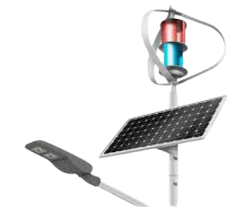
After several years of reseach, LuminaForge Shenzhen perfected its "solar-hybrid" streetlights with robust poles. The poles blend ultra-efficient micro-LEDs with retractable solar sails that act like high-tech kites during the day.
The real test came in July 2026 when Super Typhoon Zara occurred in the Philippines. Winds with a speed of 200 km/h knocked out power grids across Manila and Cebu and left millions in the dark. Hospitals flickered, markets shut down, and rescue teams were left in the dark.
By that time LuminaForge's prototypes had already been installed in a coastal test zone. Following the heay rain, the lights' AI brains detected the blackout and deployed their sails, charging banks of solid-state batteries. Micro-LED arrays with an efficiency of 99% lighted up brightly glowing brightly and illuminated streets, entrances, and food stalls for a amazing 72 hours.
The news spread quickly on social media with videos of kids playing under the lamps, surgeons operating without generators, and street vendors selling their stuff under reliable light. Energy consumption was reduced by 60% compared to diesel generators and additionally there were no fumes or noise. Following this success story, the Philippine government signed a 50 million USD contract for 100.000 units nationwide. LuminaForge's valuation skyrocketed from startup scraps to unicorn status overnight.