The LED industry in 2026 is supposed to grow substantially, especially fueled by breakthroughs in smart tech, ultra-efficiency, sustainability mandates, and human-focused designs that blend lighting with wellness and aesthetics.
The smart integration boom will go on in 2026. IoT-powered LEDs are revolutionizing spaces with seamless voice controls via Alexa or Google Home, plus AI-driven features like occupancy sensors that adjust brightness in real-time, minimizing energy use by 30-50% in offices, homes, and public areas. New streetlights can predict traffic patterns and office fixtures can dim down during meetings to boost focus. All this comes at a time when cities worldwide retrofit infrastructure for smarter grids.
Next-generation LEDs now achieve over values as much as 200 lumens per Watt, complying witht U.S. DOE's 2026 standards and EU eco-rules. Hybrid setups pair them with solar panels for off-grid reliability in warehouses, factories, and remote sites. This cuts costs dramatically while extending lifespans to 100,000+ hours. Exporters have the opportunity to target industrial upgrades in emerging markets.
Sustainability plays another major role. Recyclable phosphors, biodegradable casings, and zero-waste manufacturing are amongst the newest trends in the LED industry. Industrial and commercial sectors, including factories and retail chains, are supposed to grow at a 20% CAGR thanks to automation integrations
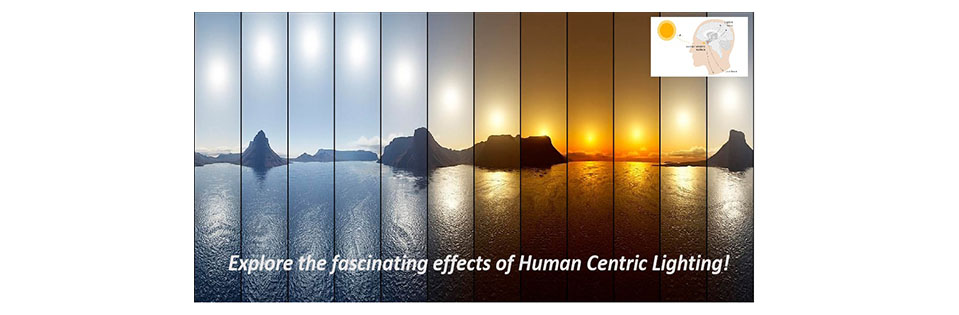
Design and wellness is another dominating factor. Tunable white and RGBIC LEDs mimic natural daylight cycles to support circadian health, reducing fatigue in hospitals, schools, and spas. Flexible strips enable immersive biophilic effects, driving demand in hospitality and luxury homes. Hospitality renovations sees a high growth with designers prioritize experiential lighting over plain illumination.